The handbag industry is entering a new era.
By 2027, materials will no longer be judged only by appearance or logo value. Fashion brands and consumers are becoming far more selective about texture, sustainability, functionality, and emotional connection.
The future of handbags is moving toward: Soft luxury, meaningful materials, lightweight construction, and authentic craftsmanship.
For brands, the competition is no longer just about design.
It is increasingly about the story behind the material.
Here are the key handbag material trends shaping 2027.
One of the strongest directions for 2027 is the rise of soft, relaxed luxury.
Consumers are moving away from overly structured bags with heavy hardware and loud branding. Instead, they are gravitating toward bags that feel natural, tactile, and effortless.
Popular materials will include:
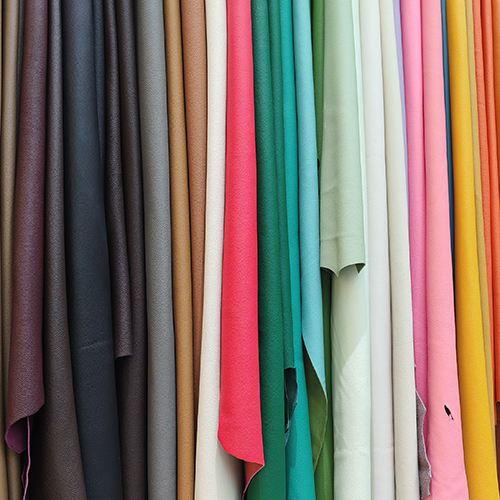
Soft nappa leather
Tumbled calfskin
Washed leather
Naturally grained leather
Deerskin-inspired textures
These materials are especially suitable for:
Slouchy shoulder bags
Hobo bags
Soft totes
Everyday luxury styles
The new definition of premium is no longer “shiny and rigid.”
It is:“A bag that feels luxurious the moment you touch it.”
By 2027, the market will move beyond basic “vegan leather” into a more sophisticated category of bio-based luxury materials.
Fashion brands are actively exploring alternatives such as:
Mushroom leather
Cactus leather
Apple leather
Grape leather
Olive-based leather
These materials help brands communicate:
Sustainability
Innovation
ESG commitment
Modern brand values
Younger consumers, especially in Europe and North America, are increasingly drawn to products with environmental storytelling.
However, the market is also becoming more realistic.
Many brands now understand that not all plant-based leather is truly sustainable, since some still contain significant amounts of PU or plastic components.
As a result, the future trend is not simply “eco-friendly claims,” but rather:
Explainable sustainability.
Brands will ask more detailed questions such as:
What percentage is bio-based?
Is it PVC-free?
Is it recyclable?
How durable is it?
Transparency will become essential.
Recycled leather is one of the fastest-growing yet underestimated categories in the handbag industry.
It offers an attractive balance between:
Genuine leather aesthetics
Sustainability goals
Cost control
Regulatory compliance
More fashion brands are embracing concepts such as:
Circular fashion
Waste reduction
Leather scrap reuse
Traceable sourcing
This trend is especially strong in the European market, where sustainability regulations continue to tighten.
Another important shift is the rise of luxury textile materials.
In many cases, handbags are beginning to resemble premium fashion garments or interior fabrics rather than traditional leather goods.
Trending materials include:
Fine canvas
Lightweight wool
Technical fabric
Brushed textiles
Washed nylon
The demand is driven by several lifestyle trends:
Lightweight everyday carry
Urban commuting
Travel luxury
Functional elegance
Aesthetic directions such as “Quiet Outdoor Luxury” are expected to become increasingly influential in premium handbag collections.
Modern consumers want handbags that are not only beautiful, but also practical.
As a result, high-performance materials will continue to rise in popularity.
Key features include:
Water resistance
Scratch resistance
Lightweight construction
Easy maintenance
Popular material directions include:
Recycled nylon
Coated fabrics
Hybrid materials
Protective finishes
In 2027, luxury and functionality will no longer be separate concepts.
They will exist together.
Luxury in 2027 will become quieter and more detail-oriented.
Instead of oversized logos, premium value will increasingly come from subtle craftsmanship and natural textures.
Key details will include:
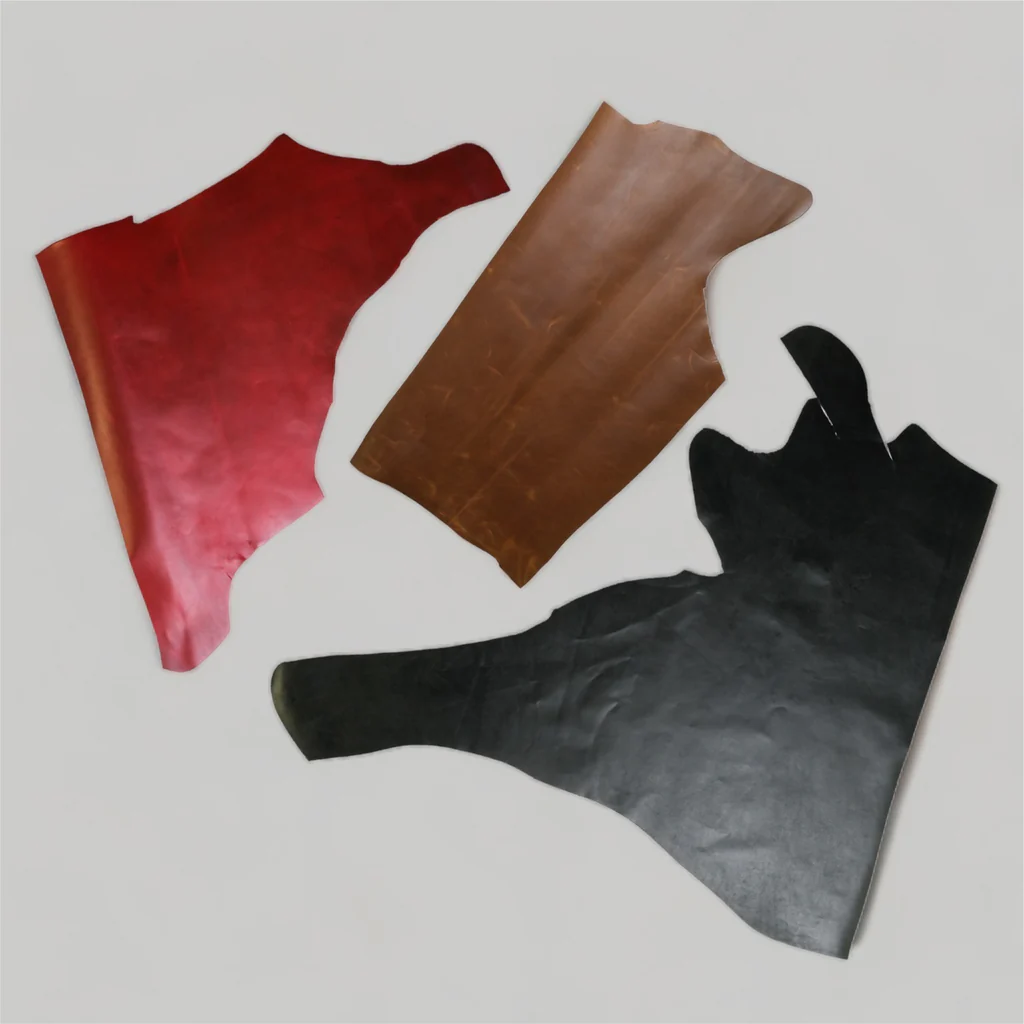
Natural grain leather
Handwoven elements
Matte finishes
Vintage-inspired textures
Fine stitching and edge painting
In the social media era, close-up visuals matter more than ever.
Consumers are paying attention to texture, depth, and tactile details that create a sense of authenticity.
The future of luxury is:
“Understated, but highly detailed.”
Heavy metallic hardware is gradually losing popularity.
Many brands are shifting toward:
Matte hardware
Minimal metal usage
Lightweight accessories
Modular details
Detachable components
This direction aligns with:
Minimalist aesthetics
Comfort
Sustainability
Functional design
The future handbag silhouette will feel lighter, cleaner, and more refined.
Perhaps the most important trend of all is the rise of storytelling materials.
The value of a handbag material will increasingly depend on the story behind it.
For example:
Materials made from coffee waste
Recycled ocean plastics
Winery by-product leather
Deadstock luxury leather
Traceable European tanneries
In the digital and social media age, materials themselves have become marketing content.
Consumers no longer buy only products.
They buy narratives, values, and identity.
The handbag industry is moving far beyond the traditional conversation of:
“Leather vs PU.”
Instead, the new era focuses on:
| Traditional Focus | 2027 Direction |
|---|---|
| Material cost | Material story |
| Large logos | Texture & touch |
| Heavy hardware | Lightweight design |
| High shine | Matte natural finishes |
| Fashion only | Fashion + function |
| Generic sustainability | Transparent sustainability |
| Single material | Hybrid material combinations |
For manufacturers, the future opportunity is significant.
Brands are increasingly looking for suppliers who can offer:
Factories that understand leather, recycled materials, plant-based alternatives, and technical fabrics will have a strong advantage.
Small-batch production and low MOQ development will become increasingly important as brands test products through social media and limited drops.
HONOR LEATHERWARE is the one!
Contact: Phoebe
Phone: 0086-13533479413
E-mail: phoebe@pupbags.com
Whatsapp:0086-13533479413
Add: Floor 4, No. 39-2, Chenwumenkou Street, Zhenxing village Shiling Town,HuaduDistrict,Guangzhou China